
 Imtiaj Hossain
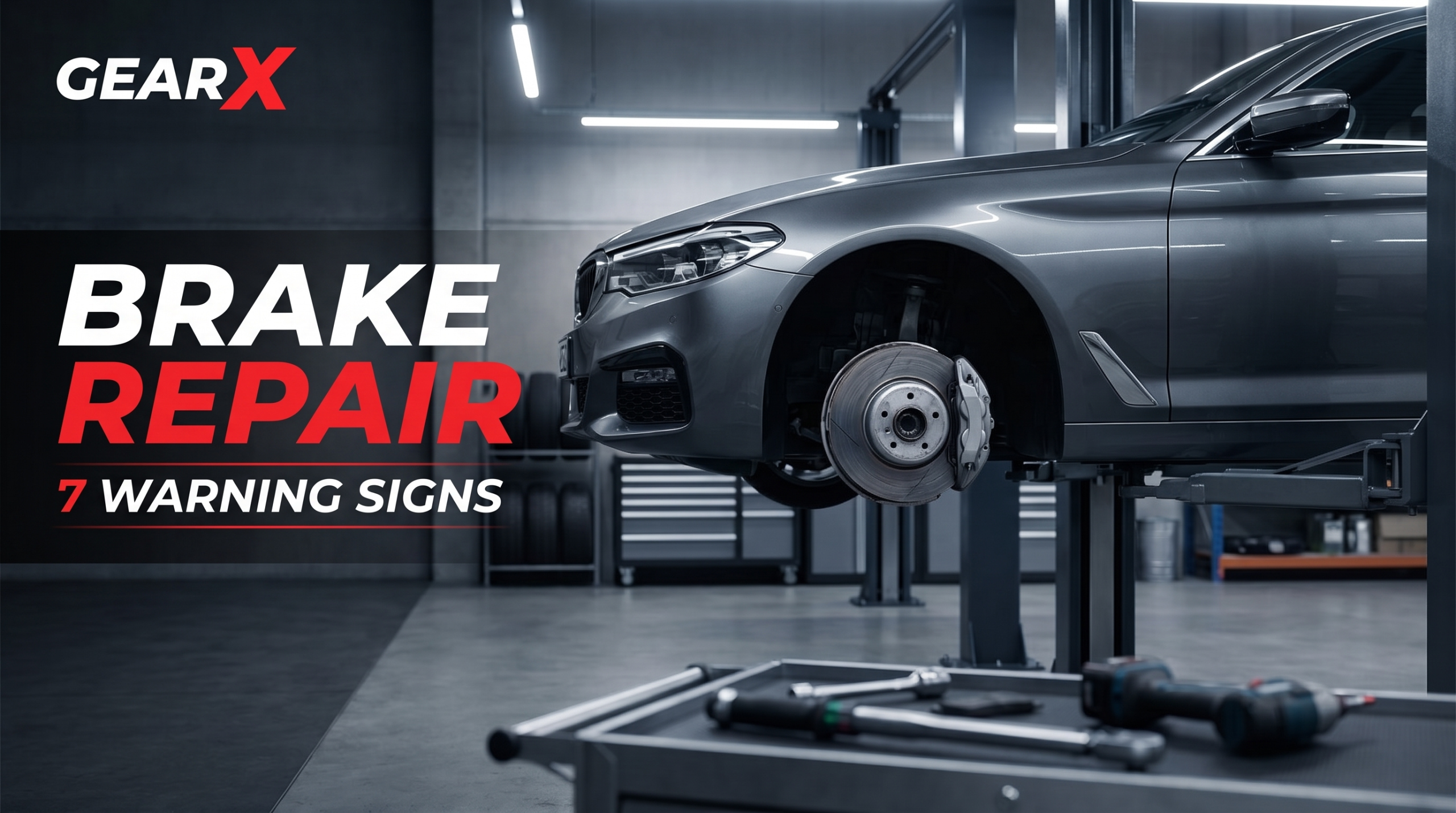
Your car’s brakes are one of its most important safety systems. They work every time you slow down or stop, so even a small change in braking performance is worth paying attention to.
Squealing or grinding noises, a soft brake pedal, vibration while braking, pulling to one side, or a longer stopping distance can all indicate that your brake system needs inspection. These symptoms can have different causes, so identifying the exact problem usually requires a professional inspection. (AAA International Relations)
The good news is that many brake problems give you warning signs before they become more serious. Here’s what to look for and when it’s time to get your brakes checked.
What Is Brake Repair?
Brake repair refers to inspecting, repairing, adjusting, or replacing components of a vehicle’s braking system when they are worn or damaged.
Depending on the problem, brake service may involve components such as:
- Brake pads
- Brake rotors or discs
- Brake calipers
- Brake lines and hoses
- Brake fluid
- Master cylinder
- Drum brakes on vehicles that use them
Not every brake problem requires replacing every component. A technician needs to identify the cause before deciding what needs to be repaired or replaced.
7 Signs Your Car May Need Brake Repair
1. Your Brakes Make Squealing or Grinding Noises
A high-pitched squeal when braking can be a warning that the brake pads are becoming worn. Many brake pads have wear indicators designed to make noise as the pad material becomes thin. (AAA International Relations)
A grinding noise is more concerning. It can indicate that the brake pads are severely worn and metal is contacting the rotor. Continuing to drive in this condition can cause additional damage to the braking system. (AAA)
However, occasional squeaking doesn’t always mean your brakes are failing. Moisture on the pads and rotors can sometimes cause temporary noise, particularly after the car has been sitting. (AAA)
2. The Brake Pedal Feels Soft or Spongy
A healthy brake pedal should feel reasonably firm and consistent.
If the pedal suddenly feels soft, spongy, unusually low, or requires more pressure than normal, there could be a problem with the hydraulic brake system. Possible causes include air in the brake lines or a brake-fluid leak. (AAA International Relations)
Don’t ignore a significant change in brake-pedal feel. Have the system inspected promptly.
3. Your Car Takes Longer to Stop
If you notice that your car needs more distance than usual to stop, something may be wrong with the braking system.
Possible causes include worn brake pads, reduced friction between pads and rotors, low or leaking brake fluid, or other mechanical problems. (AAA International Relations)
A longer stopping distance is especially important because you may not notice the problem during normal driving until you suddenly need to stop quickly.
4. Your Car Pulls to One Side While Braking
Does your car move toward the left or right when you apply the brakes?
Uneven brake wear, a sticking caliper, or restrictions in a brake hose or line can cause uneven braking force and make the vehicle pull to one side. (AAA)
Wheel alignment can also cause a vehicle to pull, so a proper inspection is needed to determine the actual cause.
5. The Brake Pedal or Steering Wheel Vibrates
If you feel vibration through the brake pedal or steering wheel when braking, the brake rotors may have an uneven surface or another component may be causing the problem.
A technician can determine whether the rotors can be serviced or need replacement. (AAA International Relations)
Don’t automatically assume that every braking vibration means the rotors are warped—the complete braking system should be inspected.
6. You Smell Something Burning After Braking
A strong burning smell after repeated or heavy braking can indicate overheated brakes. A sticking brake caliper can also cause excessive heat.
If you notice a strong burning smell or visible smoke from the brakes, stop somewhere safe and allow the brakes to cool. Do not pour water on hot brakes, as a sudden temperature change can damage components. (AAA)
If the smell continues or the brakes aren’t behaving normally, have the vehicle inspected before continuing to drive.
7. The Brake or ABS Warning Light Comes On
A brake or ABS warning light on the dashboard should not be ignored.
Depending on the vehicle, these warning lights can indicate different problems, so check your owner’s manual and have the system inspected. The ABS helps prevent wheel lockup during hard braking, so an illuminated ABS warning deserves prompt attention. (AAA International Relations)
Common Brake Problems
Brake problems can come from several different components.
Worn Brake Pads
Brake pads gradually lose material as they are used. When they become too thin, braking performance can suffer and the worn pads can potentially damage the rotors.
Worn or Damaged Brake Rotors
Rotors provide the surface against which brake pads create friction. Excessive wear, damage, or an uneven rotor surface can contribute to vibration and braking problems.
Sticking or Faulty Brake Calipers
A caliper applies the brake pads against the rotor. If a caliper doesn’t operate correctly, it can cause uneven braking, excessive heat, or premature wear.
Brake Fluid Problems
Brake fluid transfers hydraulic pressure through the braking system. A leak or other hydraulic problem can reduce braking performance and may cause a soft or spongy pedal. (AAA Club Alliance)
Brake Line or Hose Problems
Damaged or leaking brake lines and hoses can affect hydraulic pressure and should be inspected promptly.
Can You Check Your Brakes Yourself?
You can perform a few basic visual and functional checks, but brake-system diagnosis and repair should generally be left to a qualified technician.
You can:
- Listen for unusual squealing or grinding.
- Pay attention to changes in pedal feel.
- Notice whether the vehicle pulls while braking.
- Check whether warning lights appear.
- Look through the wheel spokes for obvious brake-pad wear if the design allows it.
- Look underneath the vehicle for signs of fluid leakage.
AAA notes that some brake pads can be visually checked through the wheel spokes, although the exact inspection method depends on the vehicle. (AAA International Relations)
Don’t rely on a visual check alone if the car is showing braking symptoms.
When Should You Stop Driving?
Some brake problems require more than simply scheduling a service appointment.
Avoid continuing to drive and arrange professional assistance if:
- The brake pedal feels extremely soft or sinks unusually far.
- The vehicle has a major brake-fluid leak.
- Braking performance has suddenly dropped.
- The car requires significantly more distance to stop.
- You hear severe grinding.
- The brake system is producing smoke or extreme heat.
- A serious brake warning appears alongside braking problems.
AAA specifically advises against driving a vehicle with weak brakes and recommends professional assistance in serious cases. (AAA)
Brake Pads vs. Rotors vs. Calipers
These components have different jobs:
| Component | What It Does | Common Problem |
|---|---|---|
| Brake Pads | Press against the rotor to create friction | Wear/thinning |
| Brake Rotors | Rotate with the wheel and provide the friction surface | Wear, damage, uneven surface |
| Brake Calipers | Push the pads against the rotor | Sticking or uneven operation |
| Brake Fluid | Transfers hydraulic pressure | Leak or contamination |
| Brake Lines/Hoses | Carry brake fluid through the system | Leaks or damage |
A brake problem doesn’t necessarily mean you need to replace all of these parts. The required repair depends on the condition of each component.
How Often Should Brakes Be Checked?
There isn’t one mileage number that works for every vehicle. Brake wear depends on factors such as driving habits, traffic, vehicle weight, road conditions, and the type of brake components used.
Instead of waiting for a specific mileage, follow your vehicle manufacturer’s maintenance schedule and pay attention to changes in braking behavior.
Regular inspections can help identify worn pads, rotor problems, fluid issues, or other faults before they become more serious. (AAA)
How to Help Your Brakes Last Longer
A few driving and maintenance habits can reduce unnecessary brake wear:
- Avoid unnecessary hard braking.
- Don’t keep your foot resting on the brake pedal.
- Use appropriate lower gears on long descents when suitable for your vehicle.
- Follow the manufacturer’s brake-fluid maintenance recommendations.
- Have the brake system inspected regularly.
- Don’t ignore unusual noises or changes in pedal feel.
Smooth driving and regular inspections can help reduce unnecessary wear on brake pads and other components. (AAA)
The Bottom Line
Brake repair isn’t something you should postpone when your car starts showing warning signs.
Squealing, grinding, vibration, pulling, a soft pedal, longer stopping distances, fluid leaks, or brake warning lights can all indicate that your braking system needs attention. The exact cause isn’t always obvious from the symptom alone, so a professional inspection is often the safest way to identify the problem.
If your brakes suddenly feel weak or the vehicle isn’t stopping normally, don’t take the risk of continuing to drive it. Getting the problem checked early can help prevent additional damage and, more importantly, keep your vehicle safe to drive. (AAA)
Important Note
Brake symptoms can have multiple causes, and the information in this guide is intended for general education. Brake components and maintenance requirements vary by vehicle. Always follow your owner’s manual and have serious or unusual braking problems inspected by a qualified automotive professional.