
 Imtiaj Hossain
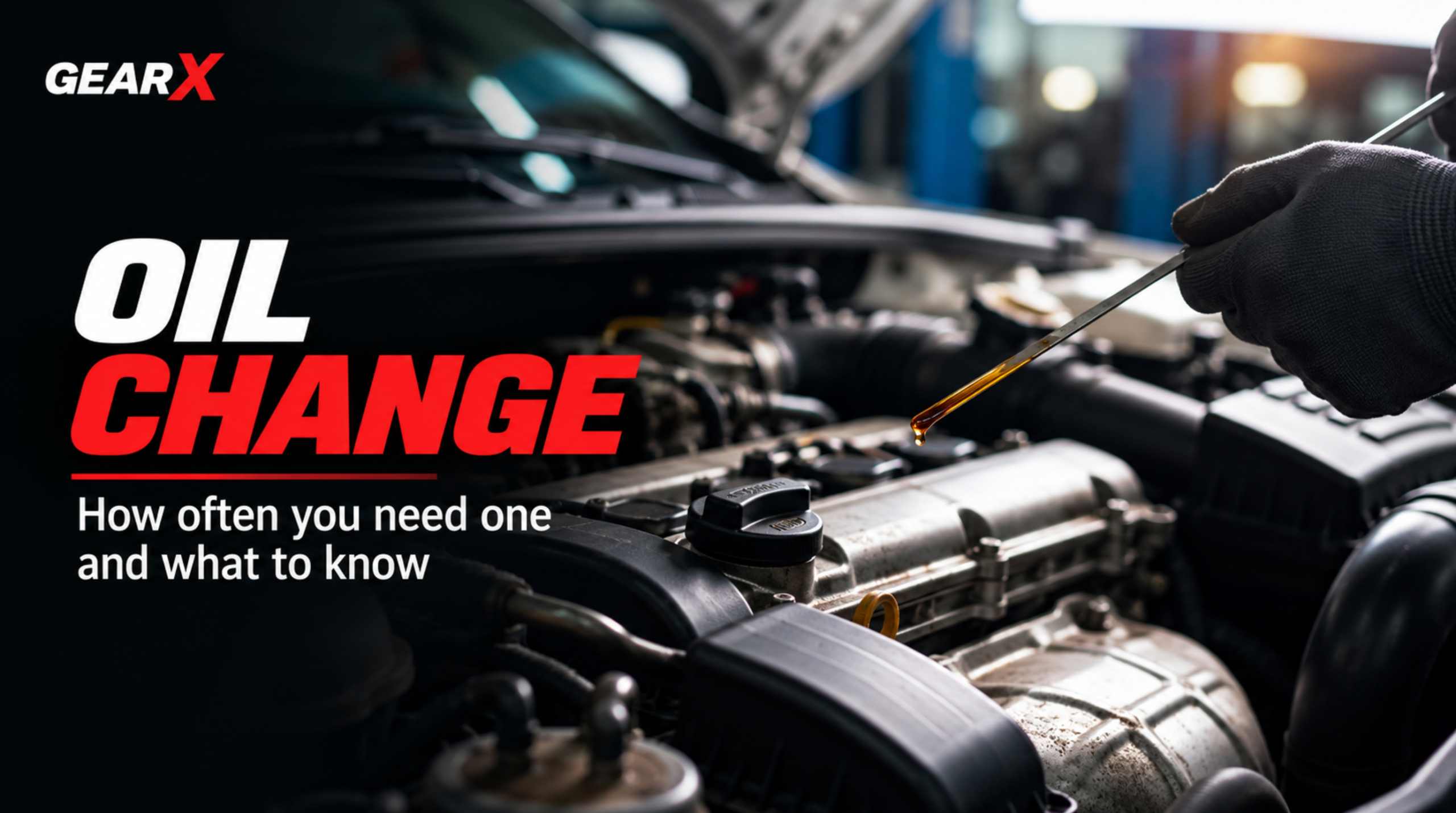
The windshield sticker says 3,000 miles, the owner’s manual says something different, and the dashboard may be showing a percentage. Figuring out when your car actually needs an oil change can feel like guesswork.
An oil change replaces the used engine oil and the oil filter so the engine keeps getting clean, correctly specified lubricant. How often it’s due depends on the vehicle, the oil, and how the car is driven, so there is no single number that fits every car.
This guide explains what an oil change does, how to find the right interval, what to look for between services, and which mistakes are worth avoiding.
What Is an Oil Change?
During an oil change, a technician or owner drains the old oil from the engine, replaces the oil filter, and refills the engine with new oil of the type and amount the manufacturer specifies. Most services also include a check of the oil level afterward and a look for leaks.
The oil filter matters as much as the oil. It catches particles that build up in the oil as the engine runs, so a new filter is normally part of the job.
Why Engine Oil Matters
Inside an engine, metal parts slide and spin against each other at high speed. Engine oil forms a thin film between them so they don’t grind themselves down. It also carries away some of the heat the engine produces and helps hold tiny contaminants in suspension until the filter catches them.
Over time, oil gets dirtier and loses some of its ability to do those jobs. An oil change resets that. Running with too little oil, or with oil that is badly worn out, is one of the quickest ways to damage an engine.
How Often Should You Change Your Oil?
The old rule of changing oil every 3,000 miles is widely described as out of date for many vehicles. Both Consumer Reports and California’s recycling agency CalRecycle point out that engines and oils have improved, and Consumer Reports notes that many automakers now specify much longer intervals, often with a time limit as well as a mileage limit.
That doesn’t mean a longer interval is right for your car. The correct answer is whatever your manufacturer specifies for your engine and driving conditions.
Check the Manufacturer’s Schedule
Your owner’s manual or maintenance booklet lists the recommended oil change interval, usually by distance, by time, or both, and whichever comes first applies. It also gives the oil specification and the amount your engine needs. A shop’s reminder sticker is a convenience, not a substitute for that schedule.
If you don’t drive much, the time limit still counts. Oil ages even when the car sits, so low-mileage drivers shouldn’t assume they can skip a service.
What Can Shorten the Interval
Many manuals describe a harder “severe” or “special conditions” schedule. Conditions that commonly fall into that category include:
- Frequent short trips, where the engine may not get hot enough to burn off moisture
- Stop-and-go traffic
- Towing or carrying heavy loads
- Very hot or very cold climates
- Dusty roads
If your driving fits one of these, check your manual for the schedule that applies to you.
Signs an Oil Change May Be Due
Your schedule is the most reliable trigger, but a few signs suggest it’s worth checking the oil sooner.
- An oil change reminder or oil-life message on the dashboard
- Low oil on the dipstick, or a level that keeps dropping between checks
- More engine noise than usual, such as ticking or knocking
- The smell of hot oil in the cabin or engine bay
- Dirty, gritty-looking oil on the dipstick
Color alone isn’t a dependable signal. Oil darkens as it works, so dark oil doesn’t automatically mean it’s worn out. Oil that looks milky or foamy, though, can point to contamination and should be inspected.
An oil pressure warning light is a separate matter. It’s not a routine reminder. If it comes on while you’re driving, find a safe place to stop and switch the engine off rather than driving on to a shop. Low oil is one possible cause, and low oil pressure can also come from other problems, so have it checked before driving further.
Conventional, Synthetic Blend, and Full Synthetic Oil
Oil comes in three broad types. Which one your engine needs is set by the manufacturer, and some engines require synthetic.
| Oil type | What it is | Things to know |
|---|---|---|
| Conventional | Refined from crude oil | Suits many engines with simple designs, but check what your manual specifies |
| Synthetic blend | A mix of conventional and synthetic oil | Sits between the two in cost and performance |
| Full synthetic | Engineered base oils with additives | Consumer Reports says it generally holds up better and can last for more miles, but the manufacturer’s time limit still applies |
Two more details matter as much as the type.
Viscosity grade describes how the oil flows at different temperatures. In a label such as 5W-30, the “W” stands for winter. Use the grade your manual specifies.
Specification marks show that the oil meets an industry standard. The Petroleum Quality Institute of America explains that the API “donut” on the back label shows the service category and viscosity grade, and the “starburst” on the front label indicates a current ILSAC standard. Your manual may call for one or both, and some manufacturers add their own approvals.
How to Check Your Engine Oil
Checking the oil between changes helps you catch a low level or a leak early. Some newer cars have an electronic oil monitor and no dipstick, so read your manual first.
- Park on level ground and switch the engine off. Your manual will say whether to check the oil warm or cold and how long to wait. Consumer Reports notes that most cars should be allowed to cool, but some call for a warm check.
- Find the dipstick. It usually has a brightly colored handle. Don’t confuse it with the transmission fluid dipstick if your car has one.
- Pull it out and wipe it clean with a lint-free cloth, then push it fully back in.
- Pull it out again and read the level against the marks. The oil should sit between the minimum and maximum marks.
- Add oil only if needed. Use the grade your manual specifies, add a little at a time, wait a moment, and recheck. Overfilling is harmful, so don’t go past the maximum mark.
Keep hands, hair, and loose clothing away from belts and fans, and watch for hot engine parts. If the level keeps dropping between checks, have a shop find out why.
What Happens During an Oil Change
The details vary by vehicle, but a typical service looks like this:
- The vehicle is raised or placed over a pit so the technician can reach the underside.
- The drain plug is removed and the old oil drains out.
- The oil filter is replaced and the drain plug is refitted.
- New oil of the specified type and amount is added.
- The level is checked, the engine is started, and the technician looks for leaks.
- The oil-life monitor or service reminder is reset if the car has one.
Many shops also offer extras such as tire checks, fluid top-ups, or air filter inspections. Those are separate from the oil change itself.
How Long Does an Oil Change Take?
There’s no fixed time. It depends on the shop, how busy it is, the vehicle, how accessible the drain plug and filter are, and whether extra work is added. A simple service on an easy-to-reach engine can be quick, while a busy shop or a more complicated vehicle can take longer. Ask the shop for an estimate when you book.
What Affects Oil Change Cost
Prices vary too much to quote a single figure. The main factors are:
- The type of oil, with synthetic generally costing more than conventional
- How much oil the engine holds
- The oil filter, since some vehicles use more expensive filters
- Labor rates in your area
- The type of shop, such as a dealership, independent garage, or quick-service outlet
- Extra services added to the visit
Ask for an itemized estimate so you can see what’s included, and confirm the shop will use the oil specification your manufacturer calls for.
What Can Happen If You Skip Oil Changes
Old oil can lose its ability to lubricate and protect. Over time, it can carry more contaminants and may form deposits or sludge inside the engine, particularly in engines that are prone to it. More wear, higher operating temperatures, and reduced engine life are possible results.
In serious cases, running with very low or badly degraded oil can lead to major engine damage. Skipping scheduled services may also cause problems with warranty claims if the manufacturer requires proof of maintenance, so keep your service records.
Oil-Life Monitors in Modern Vehicles
Many newer vehicles have an oil-life monitoring system that tells you when a change is due. Systems vary by manufacturer, but many estimate oil life from how the vehicle is used rather than measuring the condition of the oil directly. Some cars have no dipstick at all and rely on an electronic level reading.
If your car has a monitor, your manual explains how to read it, when to service the car, and how to reset it after a change. Even with a monitor, follow any time limit the manufacturer sets, and check the oil level if you notice leaks or a warning.
Hybrids still use engine oil, so they need oil changes too. Fully electric vehicles don’t have a combustion engine, so they don’t need engine oil changes, but they have their own service requirements.
Common Oil Change Mistakes
- Following a sticker instead of the manual. The interval on a windshield reminder may not match your manufacturer’s schedule.
- Ignoring the time limit. Low-mileage cars still need scheduled service.
- Using the wrong oil. Viscosity grade and specification both matter, and the manual tells you which ones your engine needs.
- Overfilling. More oil is not better, and too much can harm the engine.
- Skipping the filter. The filter is part of the service.
- Forgetting to reset the monitor or service reminder after the change.
- Not checking between changes. A small leak or oil consumption can drop the level well before the next service.
- Pouring used oil down a drain or onto the ground. CalRecycle describes used oil as a major hazardous waste problem. Take it to a collection point or recycling center.
When to Use Professional Service
Changing your own oil is possible for some owners, but it involves lifting the vehicle safely, handling hot oil, tightening the drain plug and filter correctly, and disposing of the used oil properly. If you don’t have the space, equipment, or confidence, a professional service is a reasonable choice.
Professional help is also the better option if:
- Your car has an electronic oil level system, unusual filter location, or a special oil specification
- You see oil leaking under the car
- The oil level keeps dropping
- The oil looks milky or foamy
- The oil pressure warning light has come on
If the warning light is on or you can’t keep the oil level up, don’t keep driving the car. Getting it towed to a shop is safer than risking engine damage.
The Bottom Line
An oil change keeps fresh, correctly specified oil circulating through the engine. How often you need one depends on your vehicle, your oil, and how you drive, so use the schedule in your owner’s manual rather than a one-size-fits-all number, and respect both the mileage and the time limit.
Between services, check the oil level regularly, use the oil grade and specification your manual calls for, and act on any warning light or leak. If something doesn’t look right, have it inspected.
Important Note
Oil change intervals, oil specifications, viscosity grades, oil capacities, and checking procedures vary by vehicle, engine, model year, market, and driving conditions. Always follow your owner’s manual or official manufacturer information for your vehicle’s requirements.
Sources
- Consumer Reports: Essential Oil Change Rules Every Car Owner Needs to Know
- Consumer Reports: How to Check Engine Oil the Right Way
- CalRecycle: Check Your Number, Because 3,000 Miles May Be Too Early to Change Your Oil
- Petroleum Quality Institute of America: Read the Labels on Motor Oil Before You Buy
- Scientific American: Three Months, 3,000 Miles or Longer? The Truth about Oil Changes
- Your vehicle’s owner’s manual and the manufacturer’s maintenance schedule