
 Imtiaj Hossain
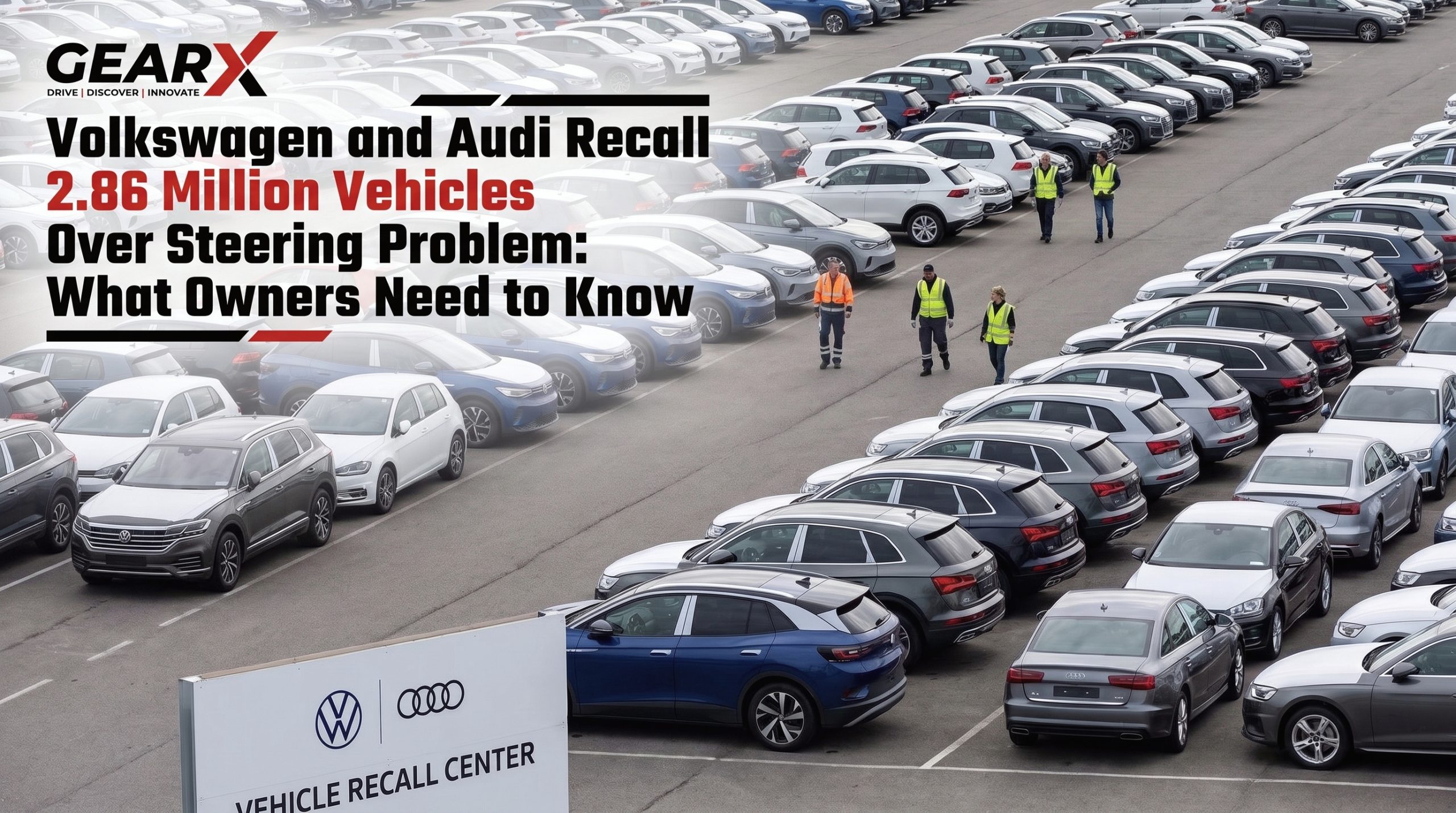
Volkswagen and Audi are recalling approximately 2.86 million vehicles worldwide after a steering-system bolt was found to be vulnerable to corrosion. In severe cases, the bolt could fracture and potentially lead to a loss of steering capability.
The recall covers several popular Volkswagen models produced between 2013 and 2024, along with the Audi Q3. The repair is expected to be free for affected owners. (euronews)
What Is the Volkswagen and Audi Recall About?
The issue involves a bolt that connects the vehicle’s steering rack to the front subframe.
According to recall information, prolonged exposure to road salt, moisture, and other environmental conditions can cause corrosion around the affected steering-rack mounting connection. If corrosion becomes severe, the bolt head can fracture.
Once the bolt breaks, the steering rack may remain attached through only one mounting point. Continued loads on the steering system could then damage the steering rack housing and, in the worst case, cause a loss of steering control. (Yahoo Autos)
The problem is particularly relevant during parking and low-speed maneuvering, where steering loads can be high.
Which Volkswagen and Audi Models Are Affected?
The worldwide recall covers approximately 2.86 million vehicles, including around 2.16 million Volkswagen vehicles and more than 696,000 Audi vehicles. (euronews)
Volkswagen
Affected Volkswagen models include:
- Volkswagen Golf
- Volkswagen Golf Variant
- Volkswagen Tiguan
- Volkswagen Touran
- Volkswagen Caddy
The affected Volkswagen vehicles were produced between September 24, 2013, and July 1, 2024.
Audi
The recall also covers certain:
- Audi Q3
These vehicles were produced between October 31, 2017, and May 23, 2024. (euronews)
However, recall coverage can vary by country, production configuration, and vehicle identification number (VIN). Owners should therefore confirm their individual vehicle rather than relying only on the model and production dates.
How Serious Is the Steering Problem?
A steering-system failure is considered a serious safety issue because drivers could potentially lose control of the vehicle.
However, there is an important distinction between the potential consequence of the defect and confirmed incidents.
Germany’s Federal Motor Transport Authority (KBA) has said it is not aware of related incidents involving injury or property damage associated with the issue. The recall is being conducted as a precautionary safety measure. (euronews)
In the United States, Volkswagen Group of America has separately recalled 208,724 vehicles, covering certain 2018 Volkswagen Tiguan, 2018–2019 Volkswagen Atlas and 2019–2021 Audi Q3 vehicles. (Currently)
What Is the Fix?
The repair involves replacing the affected steering-system bolt with a more corrosion-resistant replacement.
The repair is expected to be performed free of charge at an authorized dealer, and the repair itself is expected to take up to about one hour, although actual appointment time can vary. (euronews)
Owners should not attempt to repair or replace the steering-system component themselves.
What Should Volkswagen and Audi Owners Do?
If you own one of the potentially affected vehicles, the most important step is to check whether your specific VIN is included.
Step 1: Find Your VIN
Your vehicle identification number (VIN) is normally found on the vehicle or registration documents.
Step 2: Check the Recall
Owners in the United States can use the official NHTSA recall database to search by VIN. NHTSA also allows consumers to search recalls by vehicle year, make and model. (NHTSA)
Check vehicle recalls on NHTSA
Owners outside the United States should contact their local Volkswagen or Audi dealer or the relevant national vehicle-safety authority.
Step 3: Arrange the Repair
If your vehicle is affected, contact an authorized Volkswagen or Audi dealer and arrange the recall repair.
Because the issue concerns the steering system, owners should take any new steering-related symptoms seriously. If steering behavior suddenly changes, the vehicle should be stopped safely and inspected rather than continuing to drive normally.
When Will Owners Be Notified?
For the U.S. recall, Volkswagen Group of America has stated that owner notification letters are scheduled to be sent by November 10, 2026. (Yahoo Autos)
Owners should still check their VIN rather than waiting for a letter, particularly if they have recently moved, changed contact information, or purchased the vehicle used.
Frequently Asked Questions
Is every Volkswagen Golf or Tiguan affected?
No. The recall applies only to specific vehicles within the affected production ranges and configurations. VIN verification is necessary.
Is every Audi Q3 affected?
No. Only certain Q3 vehicles within the specified production period and configurations are included.
Will the recall repair cost money?
The recall repair is expected to be free of charge for affected vehicles when performed through the authorized recall process. (euronews)
Can corrosion cause a steering problem?
Yes. In this recall, corrosion of the affected steering-rack mounting bolt can eventually lead to bolt fracture. Further damage could potentially affect steering capability. (Yahoo Autos)
Should owners immediately stop driving their vehicles?
The appropriate action depends on the specific vehicle and any symptoms present. Owners should check their VIN and follow instructions from Volkswagen, Audi, and the relevant safety authority. If the vehicle develops an unexpected steering problem, it should not be driven normally until it has been inspected.
The Bottom Line
The Volkswagen and Audi recall affects approximately 2.86 million vehicles worldwide because corrosion can cause a steering-system mounting bolt to fracture. The affected vehicles include certain Volkswagen Golf, Golf Variant, Tiguan, Touran and Caddy models, as well as the Audi Q3.
The recall repair involves replacing the affected bolt with a more corrosion-resistant component at no charge. Owners should check their VIN and arrange the recall repair if their vehicle is included, rather than assuming that the model name alone determines whether the vehicle is affected. (euronews)
Important Note
Recall information can change as manufacturers and safety authorities update vehicle populations, repair instructions, and notification schedules. The information above reflects reporting and regulatory information available as of September 28, 2026. Always verify your vehicle’s recall status using its VIN and the official safety authority or manufacturer before taking action.